

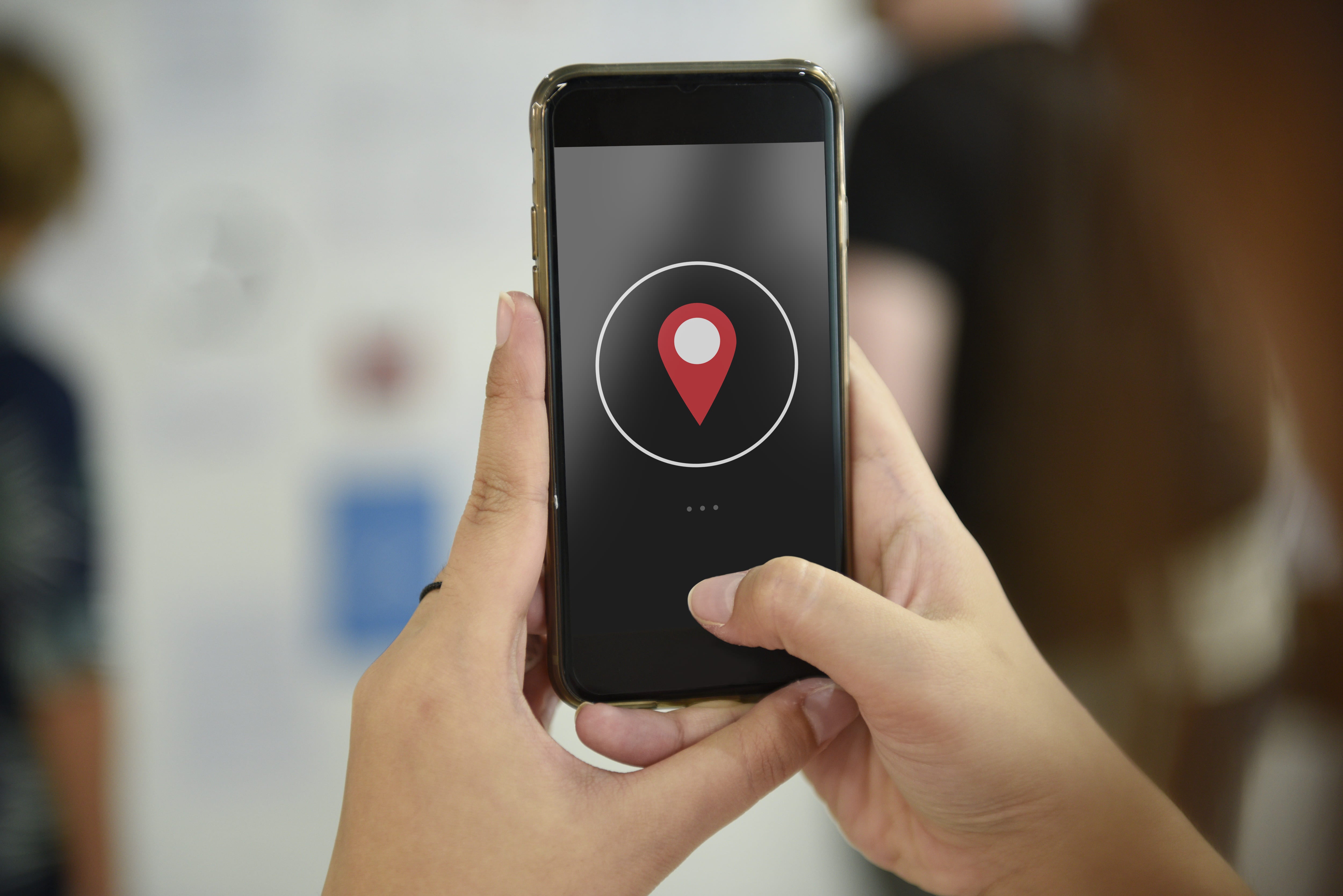
Technology should support families, not replace trust
Being a parent today means learning to find a constant balance.
Between the need to protect their child and the need to allow them to grow independently, each family moves forward with their own benchmarks, history, values, and needs.
The first solo outings, the trip to school, travel by public transport, extracurricular activities… Each step marks a new conquest of independence for the child, but also a new learning stage for parents.
In this context, the issue of child geolocation naturally sparks debate.
Should you geolocate your child?
Is it a valuable aid or a form of surveillance?
Is it compatible with learning autonomy?
At The Phone, we believe there isn't one single right answer.
Above all, there are different families, different children, and different situations.
And our role is not to choose for parents.
Our role is to empower them to make informed choices.
Geolocation: a tool, not a miracle solution
Geolocation is neither good nor bad in itself.
Like any tool, everything depends on how it is used.
Used with trust and dialogue, it can support certain important stages in a child's life:
• reassurance during the first solo journeys;
• supporting new independence;
• facilitating family organization;
• allowing parents and children to progress more calmly.
But it must never become a substitute for communication.
A GPS location does not replace a discussion.
An application does not replace trust.
Technology does not replace the gradual learning of autonomy.
This conviction guides our approach at The Phone.
Respecting all family choices
Some families will choose not to use geolocation.
Others will use it occasionally, in specific situations.
Still others will consider it a real support during a particular period of their family life.
All these choices are legitimate.
Because there is no single model of parenting, every child grows at their own pace, and every family knows their environment, constraints, and needs better than anyone.
At The Phone, we do not believe in technology that dictates a way of doing things.
We believe in technology that supports families in their own decisions.
Offering geolocation designed with responsibility
When we envisioned The Phone Geo, we asked ourselves an essential question:
If we offer a geolocation feature for children, how can we do so in the most responsible way possible?
The answer could not be solely technological.
It also had to be ethical.
Because when it comes to a child's data and privacy, we believe that trust must be at the heart of every decision.
We therefore sought a partner who shared this requirement.
It was in this spirit that we chose to collaborate with Umay.
Why we chose Umay
The Phone Géo is based on the technology of Umay, a French company committed to protecting and supporting individuals.
Beyond the technology, this choice stemmed from a clear desire: to prioritize a French and responsible approach to data.
With Umay, we chose a solution that includes:
• a respectful approach to personal data;
• anonymization of location data;
• a design intended to limit the exposure of personal information;
• a French partner committed to a digital trust approach.
Our missions are different, but we share the same conviction: technology must be designed to serve humanity.
For The Phone, this means creating tools adapted for children and families.
For Umay, it means developing solutions that help support people in situations where technology can provide concrete assistance.
Data protection: an essential responsibility
Today more than ever, families must be able to understand what is done with their data.
At The Phone, we have always advocated for a reasoned approach to technology.
A phone adapted to the child's age.
Features chosen with intention.
An experience designed to support their development.
This philosophy also applies to geolocation.
A useful feature must remain a controlled feature.
That's why we attach particular importance to:
• transparency;
• security;
• limiting the data used;
• respecting the privacy of children and families.
Our conviction: protecting and fostering growth can go hand in hand
Protection and autonomy are sometimes opposed.
As if one had to choose between letting a child grow up or wanting to protect them.
At The Phone, we believe that these two needs can advance together.
Autonomy is not decreed. It is built progressively.
It arises from small steps:
• making a first solo journey;
• learning to manage one's movements;
• gradually gaining freedom;
• building trust between parents and children.
At certain times, geolocation can be a support on this path.
But the goal always remains the same: to help children grow with confidence.
The Phone's commitments for responsible geolocation
Because adapted technology must also be accompanied by clear commitments, we commit to:
1. Respecting each family's choices
We do not believe there is only one right way to use technology.
2. Prioritizing data protection
Family data must be protected and used responsibly.
3. Designing tools adapted for children
Technology must meet the needs of families, not the other way around.
4. Encouraging balanced use
Geolocation must remain a supportive tool, never a tool for permanent control.
5. Placing dialogue at the heart of the experience
The best technology remains that which fosters trust between parents and children.
What I tell my child when they say: “With a The Phone, I can’t…”
Italian brainrot : que cachent ces vidéos qui fascinent les enfants ?